Hongfang - News

Article Summary: This comprehensive guide provides in-depth insights into Medical Gas Copper Tube, detailing specifications, installation processes, maintenance practices, and key considerations for healthcare facilities. It aims to answer common questions and provide practical guidance for medical engineers, facility managers, and procurement specialists.
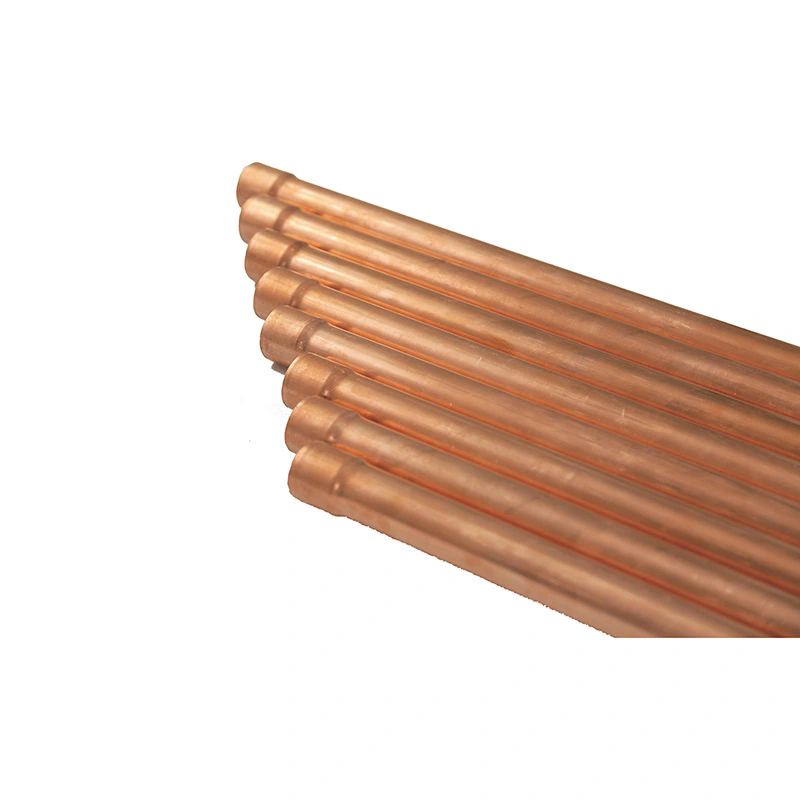
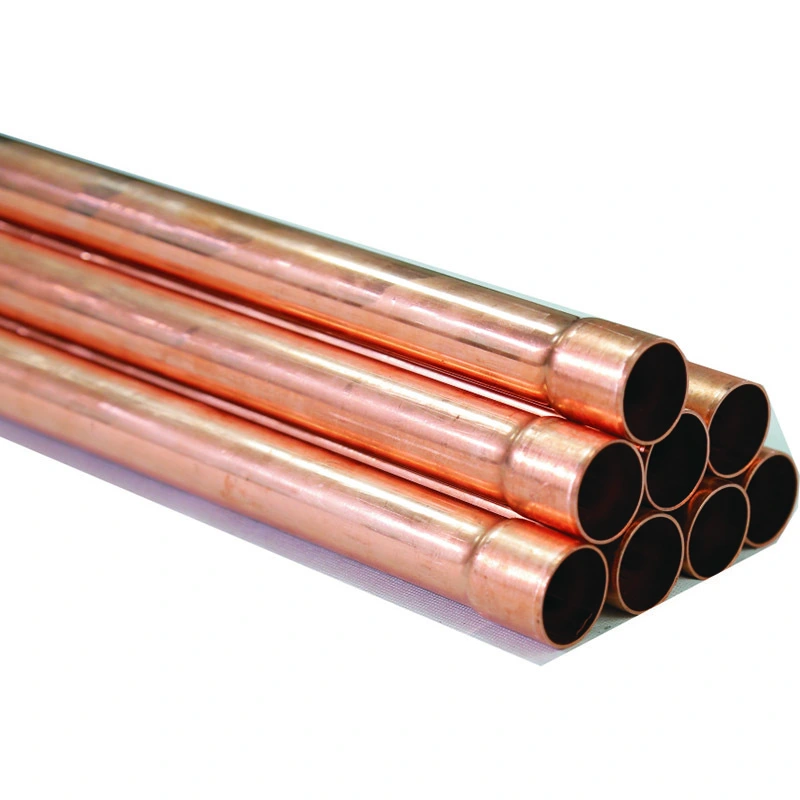
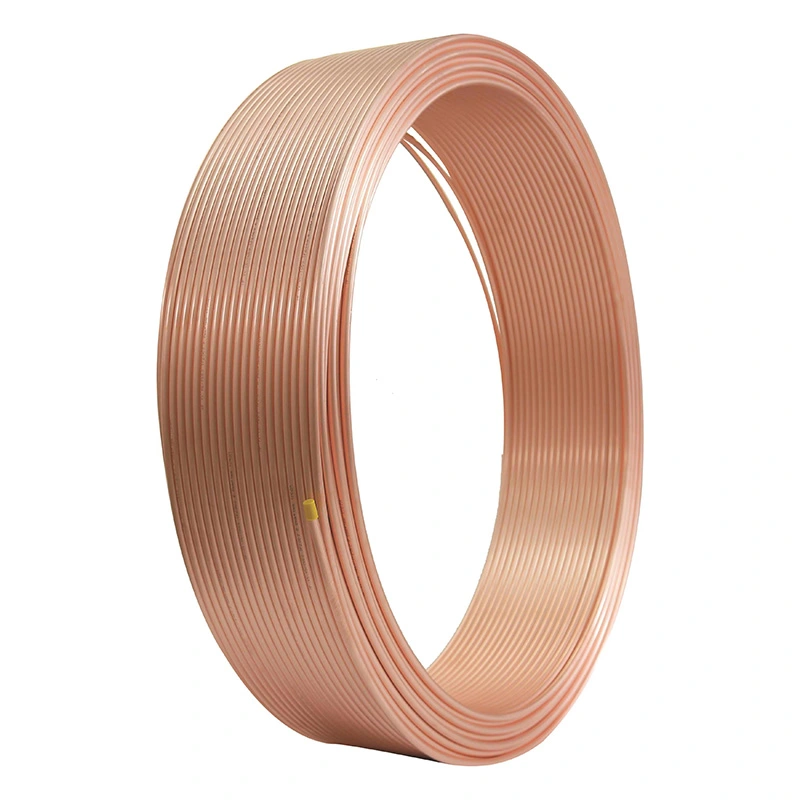
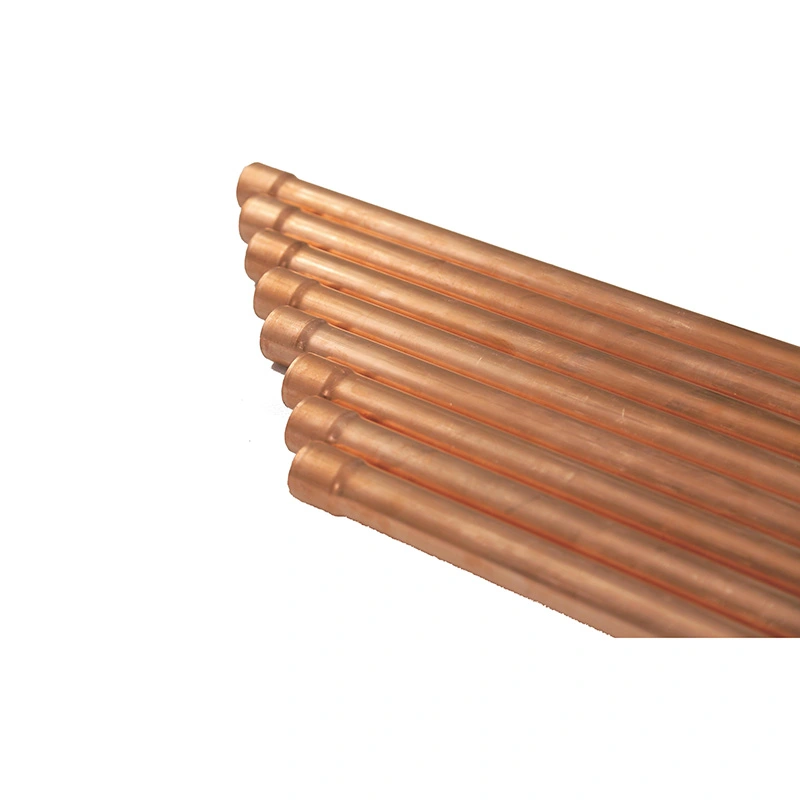
Medical Gas Copper Tubes are critical components in hospital and healthcare gas pipeline systems, designed to transport gases such as oxygen, nitrous oxide, medical air, and vacuum safely and reliably. The integrity of these copper tubes ensures patient safety and compliance with regulatory standards. Proper selection, installation, and maintenance of medical gas copper tubing are crucial for achieving optimal performance and longevity.
This article will focus on the detailed specifications, applications, and best practices for Medical Gas Copper Tube. Additionally, common questions regarding these tubes will be addressed to guide professionals in the healthcare sector.
Medical Gas Copper Tubes must meet rigorous standards to ensure safety, durability, and compliance with healthcare regulations. The following table summarizes typical parameters and standards:
| Specification | Parameter |
|---|---|
| Material | Copper (C12200 or equivalent) |
| Diameter Range | 6mm – 28mm (outer diameter) |
| Wall Thickness | 1.0mm – 2.0mm |
| Standards | ASTM B819, EN 1057, ISO 13348 |
| Working Pressure | up to 25 bar depending on gas type |
| Temperature Range | -50°C to +150°C |
| Certification | CE, ISO 13485, ISO 9001 |
| Application | Medical gas pipelines in hospitals, clinics, dental offices, laboratories |
These specifications ensure that Medical Gas Copper Tubes can withstand internal pressure fluctuations, chemical interactions with gases, and environmental stress while maintaining safety and hygiene standards.
Correct installation is essential to prevent leaks, contamination, and operational failures. The following steps outline the installation process:
Maintenance involves routine inspection, cleaning, and testing:
Optimizing system performance ensures efficiency and safety:
Medical Gas Copper Tubes are suitable for oxygen, nitrous oxide, medical air, vacuum, carbon dioxide, and other approved gases. The tubes’ corrosion resistance and purity make them ideal for preventing contamination.
The correct diameter and thickness depend on gas type, flow rate, and pressure requirements. Refer to standards like ASTM B819 and EN 1057. Consultation with system engineers ensures compliance with hospital regulations and safety standards.
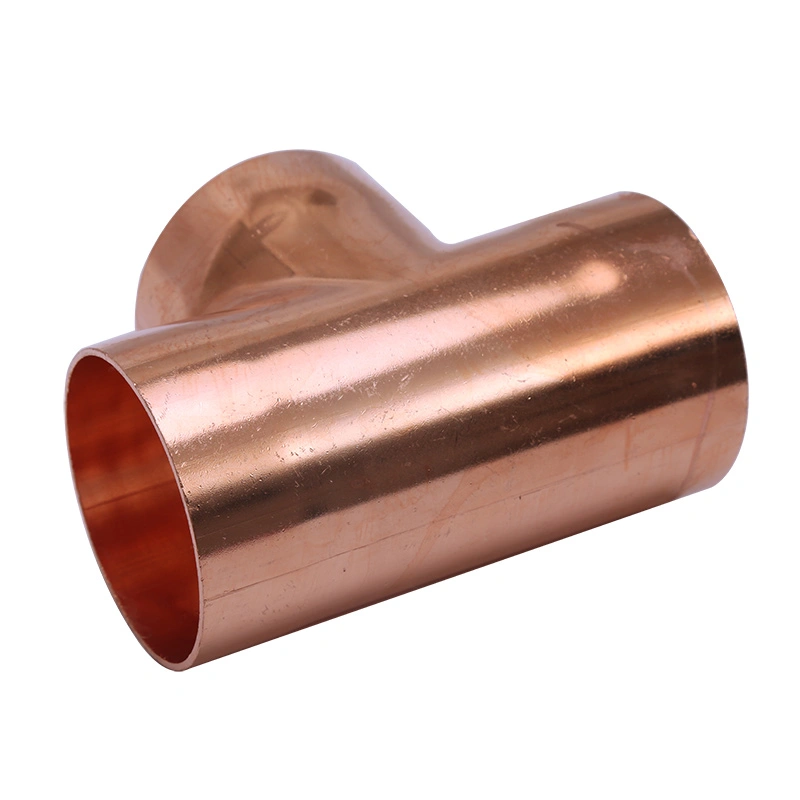
Leak detection is done through pressure testing, visual inspection, and electronic leak detectors. Preventive measures include proper installation, using certified fittings, and regular maintenance schedules.
Yes, medical-grade copper tubes are resistant to moisture and chemical reactions. Protective coatings or insulation may be applied in areas with extreme environmental conditions.
With proper installation and maintenance, copper tubes can last 20–50 years. Longevity depends on factors like environmental exposure, operational pressure, and adherence to maintenance protocols.
Medical Gas Copper Tubes are vital for the safety and efficiency of hospital gas systems. Understanding their specifications, installation requirements, and maintenance practices ensures reliable performance and compliance with healthcare regulations. Professionals responsible for medical gas systems should prioritize high-quality materials, accurate installation, and ongoing preventive maintenance.
Hongfang offers a comprehensive range of Medical Gas Copper Tubes meeting international standards. For inquiries or detailed product consultations, contact us to discuss solutions tailored to healthcare facilities.