Hongfang - News
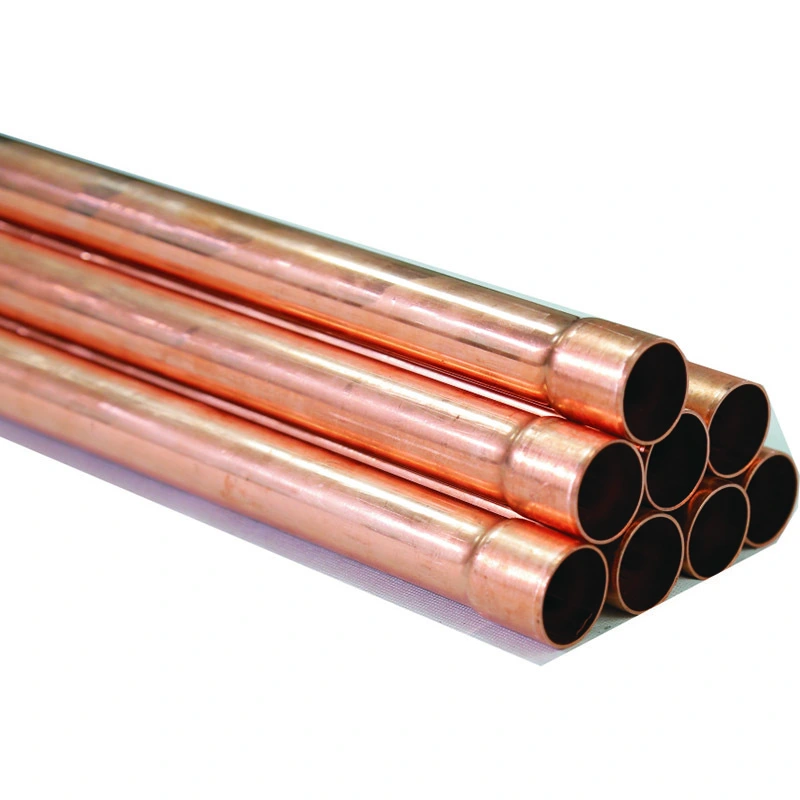
Refrigeration copper tube plays a critical role in air conditioning systems, refrigeration units, cold storage projects, heat pumps, and industrial cooling equipment. From durability and corrosion resistance to thermal conductivity and pressure performance, choosing the right copper tubing directly impacts system efficiency, energy consumption, and long-term reliability. This comprehensive guide explores everything buyers, contractors, distributors, and engineers need to know before selecting refrigeration copper tubes for commercial and industrial applications.
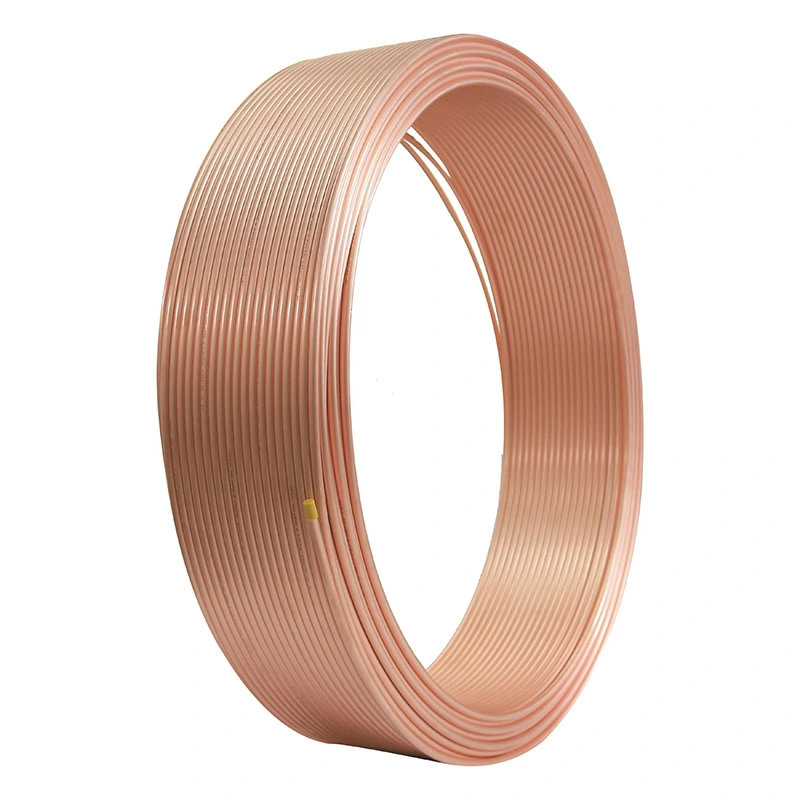
Cooling systems demand high-performance materials that can withstand pressure, temperature fluctuations, moisture exposure, and chemical interaction with refrigerants. Refrigeration copper tubes are widely trusted because they provide excellent heat transfer, long service life, leak resistance, and installation flexibility. Whether used in residential air conditioners or large industrial refrigeration systems, copper tubing continues to dominate the market due to its proven reliability and efficiency.
This article provides a deep understanding of refrigeration copper tubes, including materials, dimensions, manufacturing methods, installation considerations, and maintenance strategies. It also discusses how businesses can reduce operational risks by selecting high-quality copper tubing products from reliable manufacturers.
Refrigeration copper tube is a specialized copper piping product designed for refrigeration and air conditioning systems. It transports refrigerants between compressors, condensers, evaporators, and expansion valves while maintaining pressure stability and thermal efficiency.
These tubes are manufactured using high-purity copper materials to ensure clean internal surfaces and excellent mechanical properties. Because refrigeration systems operate under varying pressures and temperatures, the tubing must maintain integrity over extended operational periods.
| Property | Performance |
|---|---|
| Thermal Conductivity | Excellent |
| Corrosion Resistance | High |
| Pressure Resistance | Strong |
| Flexibility | Good |
| Service Life | Long-lasting |
Copper has become the standard material for refrigeration systems because of its unique combination of thermal and mechanical properties.
Compared with many alternative materials, copper allows refrigeration systems to achieve higher energy efficiency while reducing maintenance requirements.
Different refrigeration projects require different tubing specifications. Understanding tube classifications helps buyers select the most suitable product.
| Type | Characteristics | Applications |
|---|---|---|
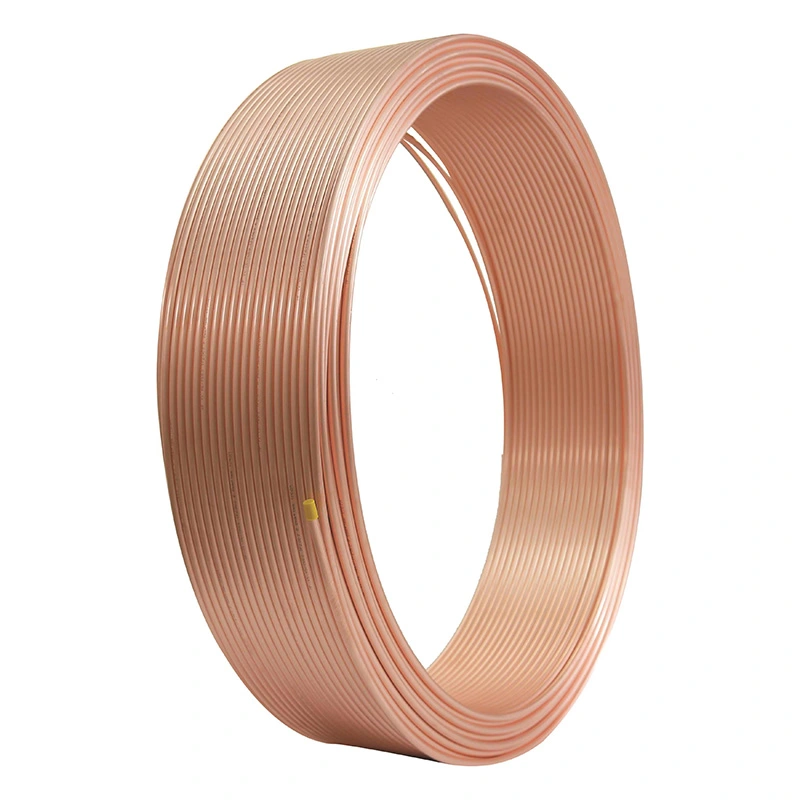
| Soft Copper Tube | Flexible and easy to bend | Residential AC systems |
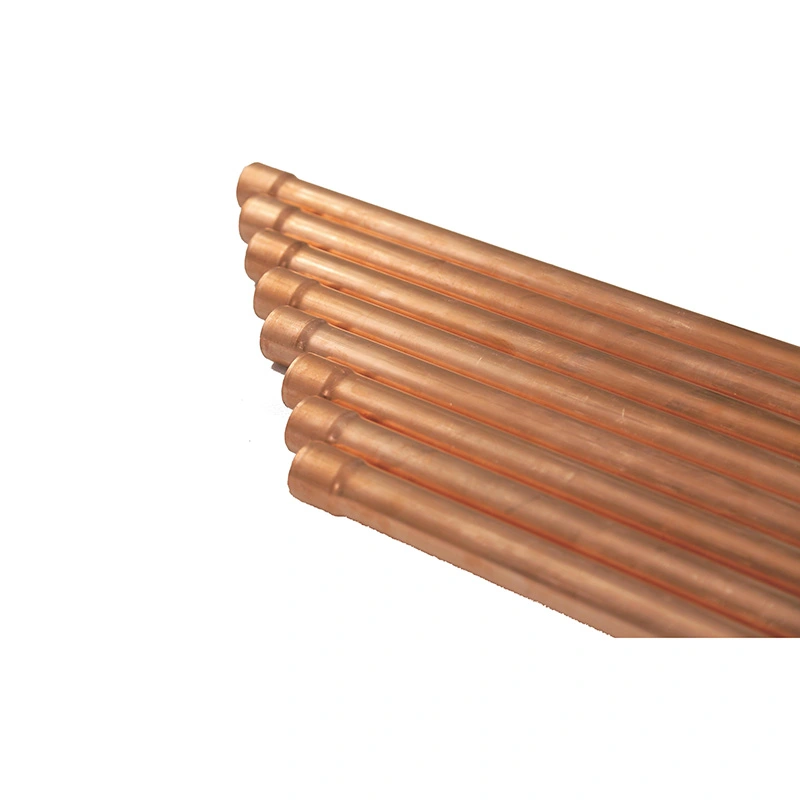
| Hard Copper Tube | Higher strength and rigidity | Industrial refrigeration |
| Inner Grooved Tube | Enhanced heat transfer | High-efficiency systems |
| Insulated Copper Tube | Prevents energy loss | Split air conditioners |
High-quality refrigeration copper tubing provides multiple performance advantages that directly influence refrigeration efficiency.
Copper rapidly transfers heat, improving cooling efficiency and reducing compressor workload.
Copper tubes can withstand high operating pressures required in modern refrigeration systems.
Copper naturally resists corrosion caused by moisture and refrigerants.
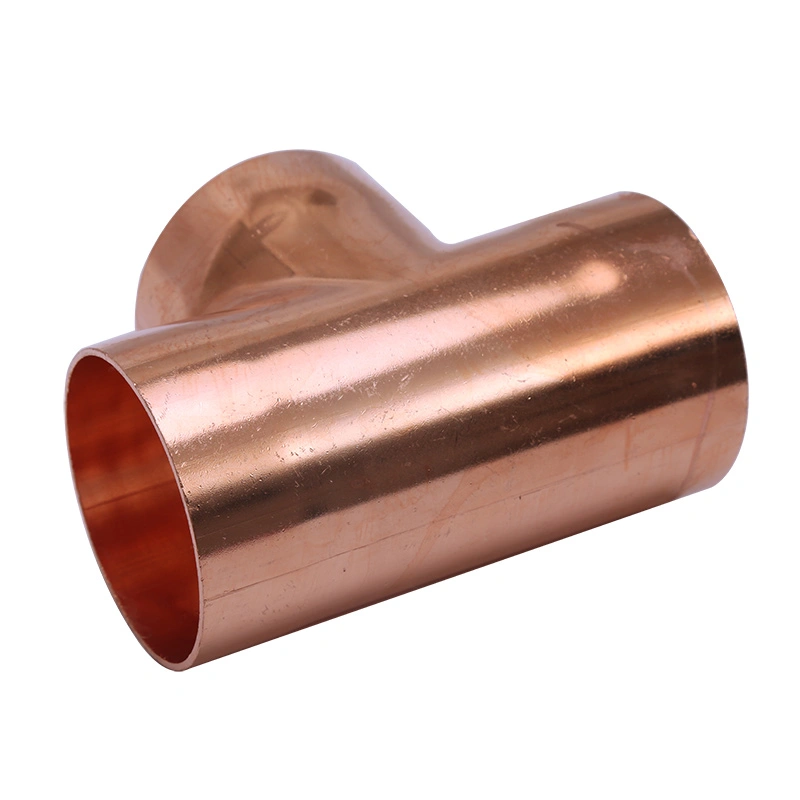
Copper tubes can be bent, brazed, and connected efficiently during installation.
Refrigeration copper tubes are widely used across numerous industries where temperature control is essential.
As global demand for cooling infrastructure increases, the demand for durable and efficient copper tubing continues to grow rapidly.
Many buyers focus only on price, but selecting the wrong copper tubing can lead to refrigerant leakage, compressor failure, and expensive maintenance.
Before purchasing refrigeration copper tubes, consider the following factors:
| Factor | Why It Matters |
|---|---|
| Copper Purity | Higher purity improves durability |
| Wall Thickness | Determines pressure resistance |
| Tube Diameter | Affects refrigerant flow |
| Surface Cleanliness | Prevents contamination |
| Compliance Standards | Ensures product reliability |
Working with a trusted supplier helps ensure consistent quality and stable performance.
Although aluminum and plastic materials are used in some systems, copper remains the preferred choice for demanding refrigeration applications.
| Material | Advantages | Disadvantages |
|---|---|---|
| Copper | Durable, conductive, reliable | Higher material cost |
| Aluminum | Lightweight, lower cost | Less durable |
| Plastic | Corrosion resistant | Poor thermal performance |
The manufacturing quality of refrigeration copper tubing directly impacts system safety and efficiency.
Strict quality control throughout production ensures the tubing meets international refrigeration standards.
Improper installation or poor-quality tubing may cause serious refrigeration system issues.
| Problem | Cause | Solution |
|---|---|---|
| Refrigerant Leakage | Weak brazing joints | Improve welding quality |
| Tube Corrosion | Moisture exposure | Use protective insulation |
| Reduced Cooling | Internal contamination | Maintain clean tubing |
| Tube Cracking | Excessive vibration | Improve system support |
Correct installation practices maximize system performance and reduce maintenance costs.
Professional installation ensures stable refrigerant circulation and prevents long-term operational failures.
Even high-quality copper tubing requires proper maintenance to achieve maximum lifespan.
Routine inspections should focus on:
When maintained properly, refrigeration copper tubes can remain operational for decades.
Reliable refrigeration copper tubes are typically manufactured according to recognized international standards.
Certified products provide buyers with greater confidence regarding consistency, safety, and compatibility.
The refrigeration industry is evolving rapidly due to increasing energy efficiency requirements and environmental regulations.
Emerging trends include:
These developments continue to increase demand for advanced refrigeration copper tube solutions with improved performance characteristics.
High-quality refrigeration copper tubes can last more than 20 years when installed and maintained properly.
Copper offers superior durability, thermal conductivity, and leak resistance compared with aluminum.
Yes. Copper is highly recyclable, making it an environmentally responsible material choice.
Proper brazing, pressure testing, and professional installation greatly reduce leakage risks.
The appropriate size depends on refrigerant type, system capacity, pressure requirements, and equipment design specifications.
Refrigeration copper tube remains one of the most important components in modern cooling and refrigeration systems. Its outstanding thermal conductivity, durability, corrosion resistance, and long-term reliability make it the preferred solution for residential, commercial, and industrial applications worldwide.
Choosing premium-quality copper tubing helps reduce refrigerant leakage risks, improve energy efficiency, extend equipment lifespan, and lower long-term maintenance costs. Buyers should prioritize manufacturing quality, purity standards, dimensional accuracy, and supplier reliability when selecting refrigeration copper tubes.
As a professional supplier in the metal materials industry, Qingdao Hongfang Metal Material Co., Ltd. is committed to delivering high-quality refrigeration copper tube solutions for global customers. Whether you need copper tubing for HVAC systems, industrial refrigeration projects, or custom cooling applications, professional support and reliable product quality are essential for project success.
Contact Qingdao Hongfang Metal Material Co., Ltd. today to discuss your project requirements, request technical support, or receive a customized quotation for your refrigeration and HVAC applications.